Where abandoned mines, drifting fog, and generations of whispered warnings gave rise to one of Newfoundland and Labrador’s most enduring legends.
The fog arrives quickly on Bell Island.
One moment, the island’s dramatic cliffs, weathered homes, and abandoned iron ore workings stand sharply against the blue waters of Conception Bay. The next, a grey curtain sweeps inland, softening fences, swallowing footpaths, and turning familiar places into uncertain ground. It is easy to understand why generations of islanders have looked into that mist and imagined they were not alone.
Among Newfoundland and Labrador’s many ghost stories, few have endured with the same intensity as the Bell Island Hag. Known by some as the White Woman, she has haunted local folklore for generations, becoming one of the province’s most recognizable supernatural figures. Whether viewed as a restless spirit, a cautionary tale, or simply a reflection of the island’s rich storytelling tradition, the Hag remains woven into Bell Island’s identity.
Long before paranormal investigators, podcasts, and ghost tours discovered Bell Island, the story belonged to local families. It was shared in kitchens on stormy evenings, repeated around campfires, and quietly passed from one generation to the next. Parents warned children not to wander into the marshes after dark. Teenagers dared one another to visit lonely paths near Dobbin’s Garden. Even adults admitted there were places where the island seemed different once the sun disappeared.
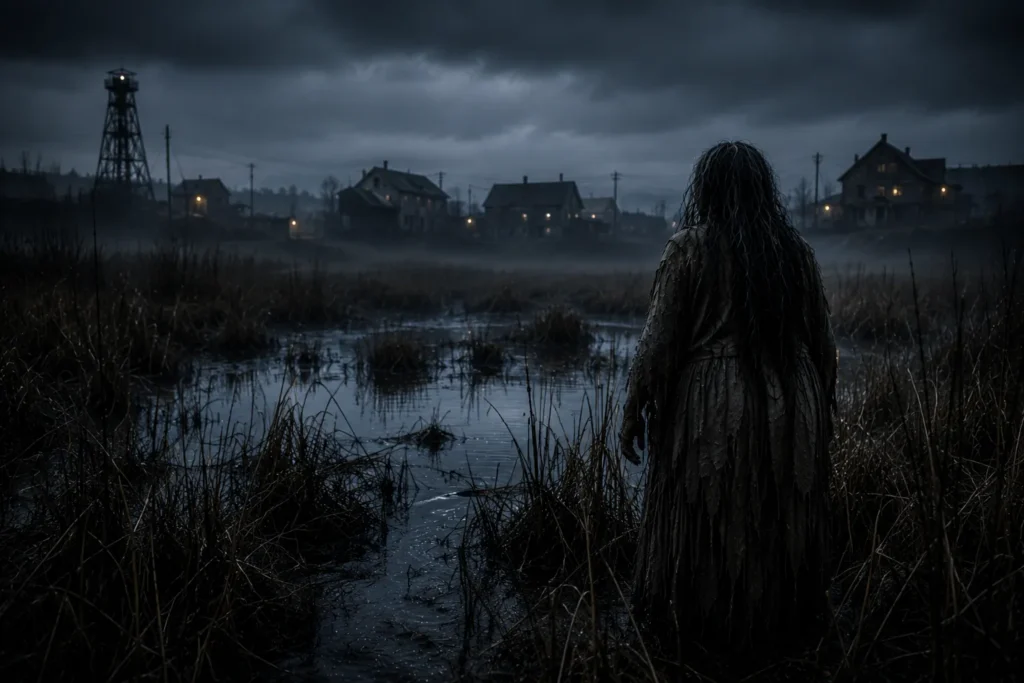
Like many Newfoundland legends, there is no single version.
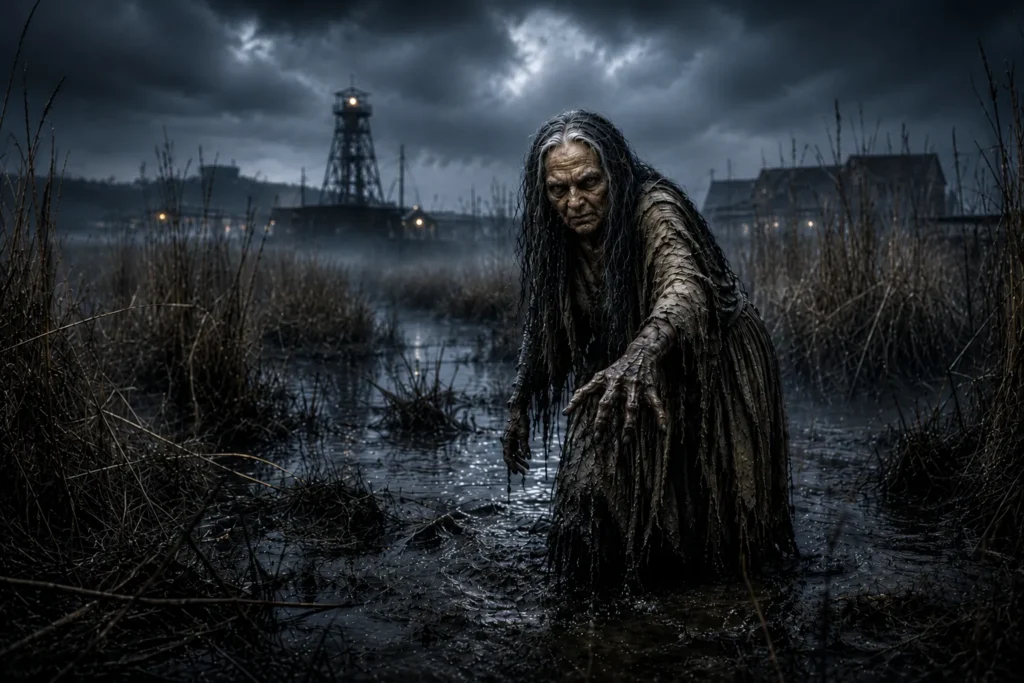
According to local tradition, the Hag often first appears as a woman dressed in white standing motionless in the distance. Those who draw closer soon discover something is terribly wrong. The graceful figure is said to transform into a twisted old woman dressed in tattered grey clothing, crawling unnaturally across the ground. Witnesses in the various tellings describe an overpowering smell of sulphur, sudden paralysis, or an overwhelming feeling of dread before the figure disappears as mysteriously as she arrived. These details vary from storyteller to storyteller, but the sense of terror remains remarkably consistent.
Where the legend begins is far less certain.
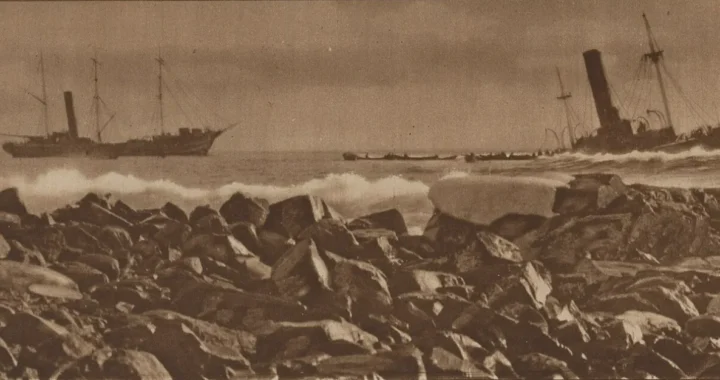
One popular story claims the Hag is the spirit of a young woman murdered during the Second World War after witnessing German activity connected to Bell Island’s wartime history. Bell Island occupies a unique place in North American history as the only location on the continent directly attacked by German U-boats during the war, lending an eerie backdrop to this version of the tale. Yet historians have found no evidence linking the ghost story to an actual documented murder. That origin appears to belong firmly within local folklore rather than recorded history.
Other versions push the legend much further back. Some residents believed the spirit belonged to a miner’s wife driven to madness during the dangerous years of iron ore mining. Others insisted the Hag had haunted the marshes long before mining transformed the island, suggesting she was something older—perhaps a wandering spirit or a supernatural being whose story evolved with each new generation. None of these explanations can be verified through historical records, but together they reveal how folklore often grows by adapting itself to changing times and local experience.
Bell Island proved fertile ground for such stories.
For nearly a century, the island’s mines drew thousands of workers from Newfoundland, Ireland, England, Scotland, and beyond. Each community arrived carrying its own traditions, ghost stories, fairy beliefs, and superstitions. Underground mining itself was dangerous work, where accidents, darkness, and sudden tragedy were accepted risks of earning a living. It was hardly surprising that tales of restless spirits found an audience among families whose lives were shaped by uncertainty both above and below the earth. Folklorists have often noted that Bell Island’s remarkable blend of cultures helped create one of Newfoundland’s richest collections of supernatural traditions.
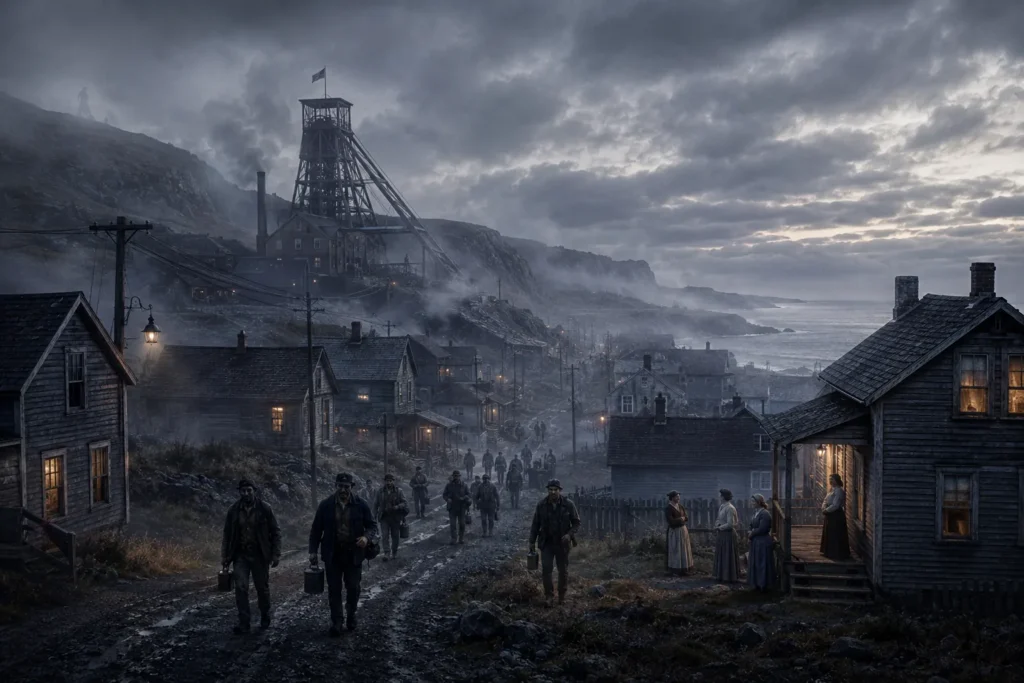
The Hag is only one resident of this haunted landscape.
Local folklore also tells of ghostly miners still walking abandoned tunnels, mysterious fairy encounters in Butler’s Marsh, unexplained lights, and voices heard where no one should be. Rather than existing as isolated stories, these legends form part of a much larger folklore that has become inseparable from Bell Island’s history. Today, that reputation has even become part of the island’s tourism appeal through guided experiences exploring both its documented past and its enduring ghost stories.
Perhaps that is why the Bell Island Hag continues to fascinate people today.
Unlike many ghost stories that fade with time, this one has adapted to new audiences. In 2016, Canada Post featured the Bell Island Hag as part of its annual Halloween stamp collection, introducing the legend to people across the country. Meanwhile, local historians, folklorists, and residents continue to distinguish between documented history and oral tradition, preserving both without confusing one for the other. The Hag may never have walked the marshes in reality, but she unquestionably lives on in Newfoundland’s cultural imagination.

Visit Bell Island on a calm summer afternoon, and it is easy to admire the sweeping coastal views, the towering sea cliffs, and the remarkable mining heritage that shaped generations of families. Return when evening fog drifts across the marshes, however, and the landscape changes. Familiar landmarks disappear into the mist. Every distant shadow invites a second glance.
Perhaps that is the true power of the Bell Island Hag.
She reminds us that folklore is not simply about ghosts. It is about the places that inspire them, the people who keep them alive, and the stories that connect generations long after the original storytellers are gone.
Have you ever visited Bell Island or heard stories of the Hag from family or friends? We’d love to hear your memories, photographs, or local legends in the comments below.
If you enjoyed this story, be sure to read more fascinating Newfoundland and Labrador stories here on ShareNL.ca.