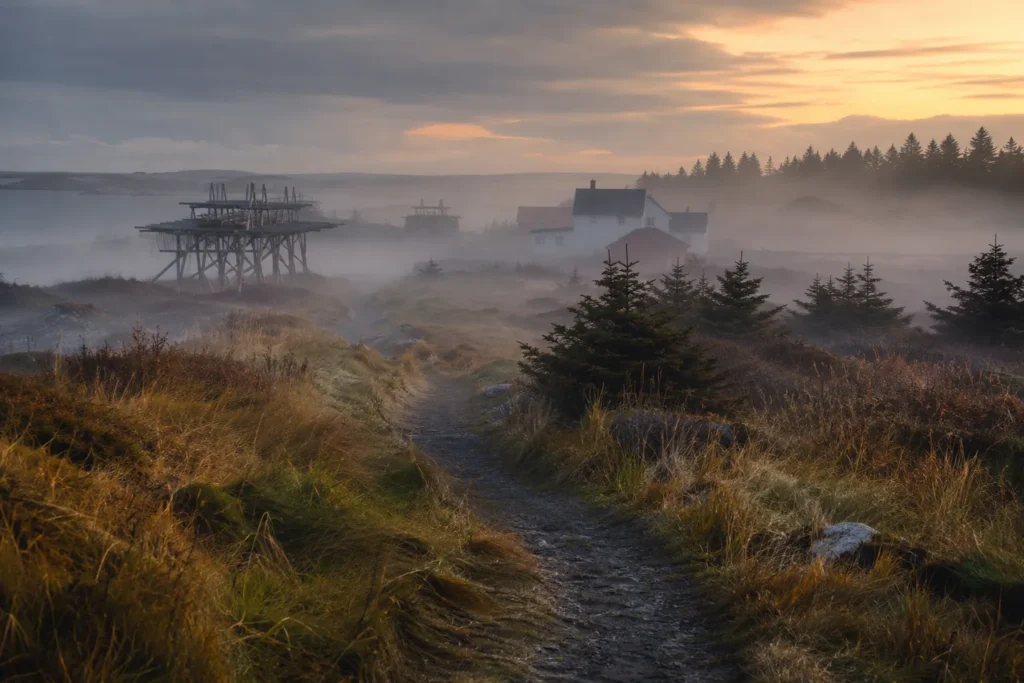
The fog settles quietly over the barrens, softening the edges of the hills and hiding the narrow path ahead. Spruce branches bend in the wind, long grass whispers beside the trail, and somewhere beyond the trees, the Atlantic rolls against the shore with a low and steady thunder.
A child walking home through such a place might once have carried a piece of bread in a pocket. An adult who suddenly became confused or lost—even on familiar ground—might have stopped to turn a coat, pocket, or pair of socks inside out. Along Newfoundland’s coast, these were not always treated as childish games. They were precautions passed from one generation to another in a world where the landscape could be beautiful, dangerous, and filled with things that could not easily be explained.
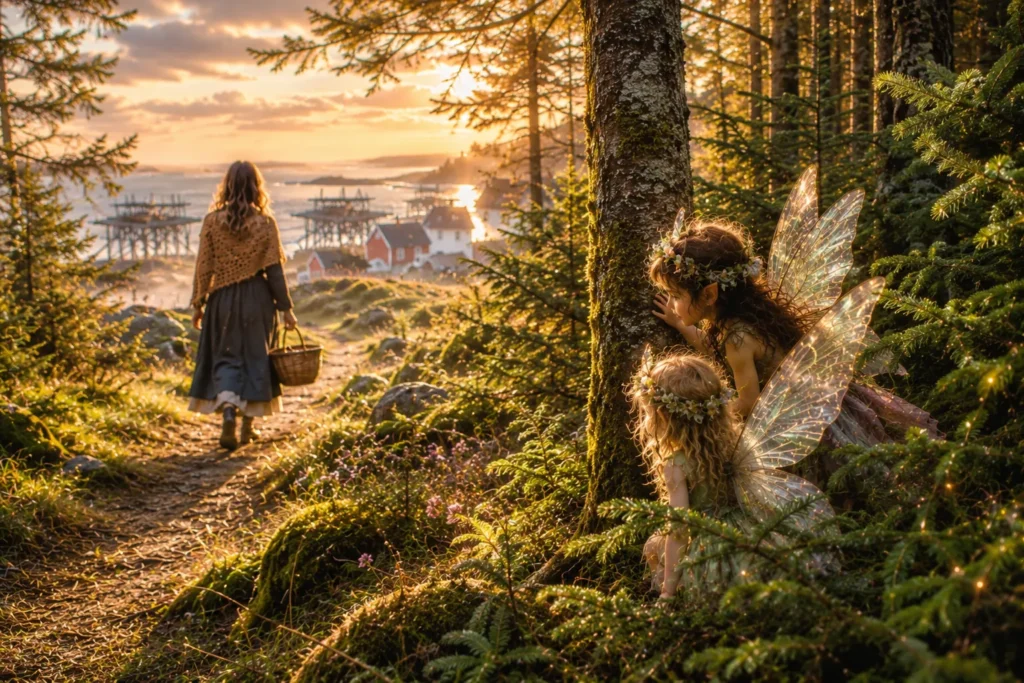
For generations of Newfoundlanders, especially in communities shaped by southeastern Irish settlement, the fairies were not tiny winged creatures from children’s books. They were powerful, unpredictable beings—best spoken of carefully and, whenever possible, left alone.
Traditions Carried Across the Atlantic
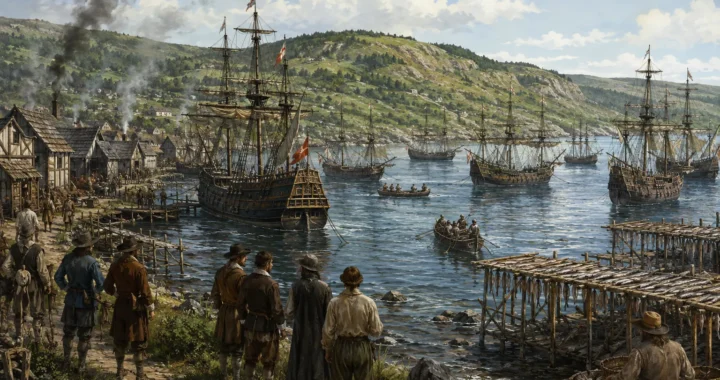
Irish involvement in Newfoundland’s migratory fishery can be traced to the late seventeenth century. The movement expanded throughout the eighteenth century and increasingly became permanent settlement during the late eighteenth and early nineteenth centuries.
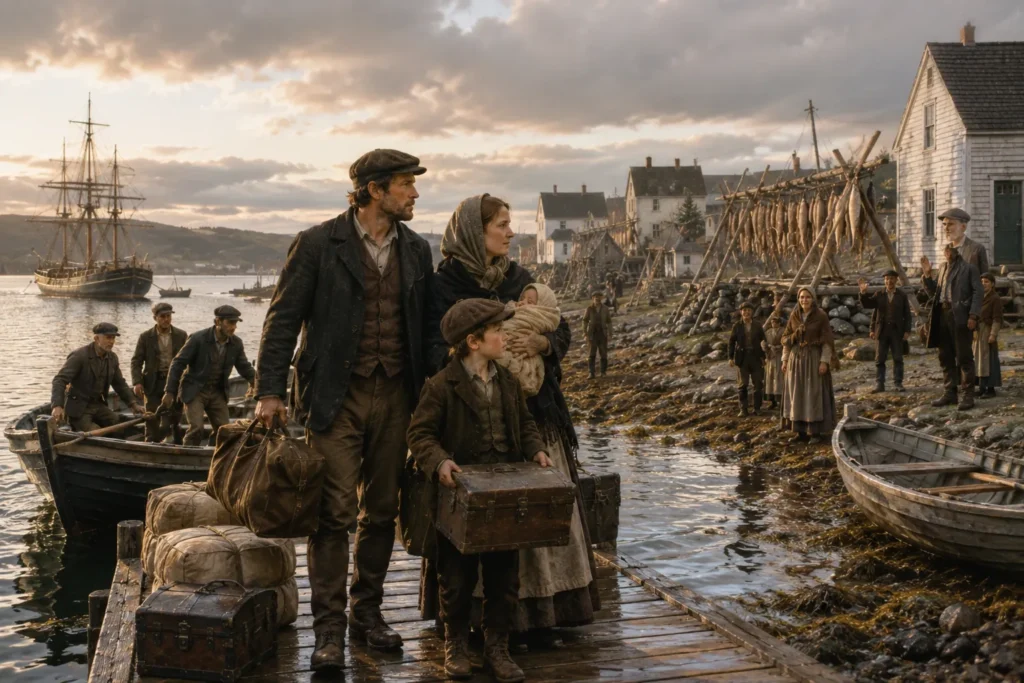
Many Irish migrants arrived through Waterford, coming from an exceptionally concentrated region that included County Waterford, southwestern Wexford, southern Carlow and Kilkenny, and parts of southeastern Tipperary and Cork. A smaller migration stream also came from the Dingle Peninsula in County Kerry.
They brought more than strong backs for the cod fishery. They carried songs, prayers, speech patterns, seasonal customs, family traditions, and beliefs about an unseen world existing alongside the human one. English settlers brought supernatural traditions from Britain, while smaller Scottish populations contributed customs of their own. Yet Newfoundland fairy lore remained especially closely associated with communities shaped by southeastern Irish culture.
In Ireland, fairies were sometimes respectfully called the “Good People,” a cautious name intended to avoid giving offence. In some Newfoundland communities, people also spoke of the “Little People.” Whatever name was used, these were not harmless storybook companions. They could be generous or mischievous, but they could also confuse travellers, interfere with human lives, and punish anyone who disturbed their ground.
A New Landscape for Ancient Beliefs
The traditions crossed the Atlantic, but they did not remain unchanged.
In Newfoundland, inherited beliefs became attached to a different landscape. Forest paths, bogs, berry grounds, ponds, windswept barrens, and isolated stretches of coastline developed reputations as places where ordinary rules might no longer apply.
It is easy to understand why such stories took hold. Outside the larger towns, people often travelled on foot between communities, fishing rooms, gardens, and berry grounds. A sudden bank of fog could erase familiar landmarks. Darkness arrived quickly beneath the trees. Bogs could trap an unwary traveller, while cliffs, ponds, and rough coastlines presented genuine dangers.
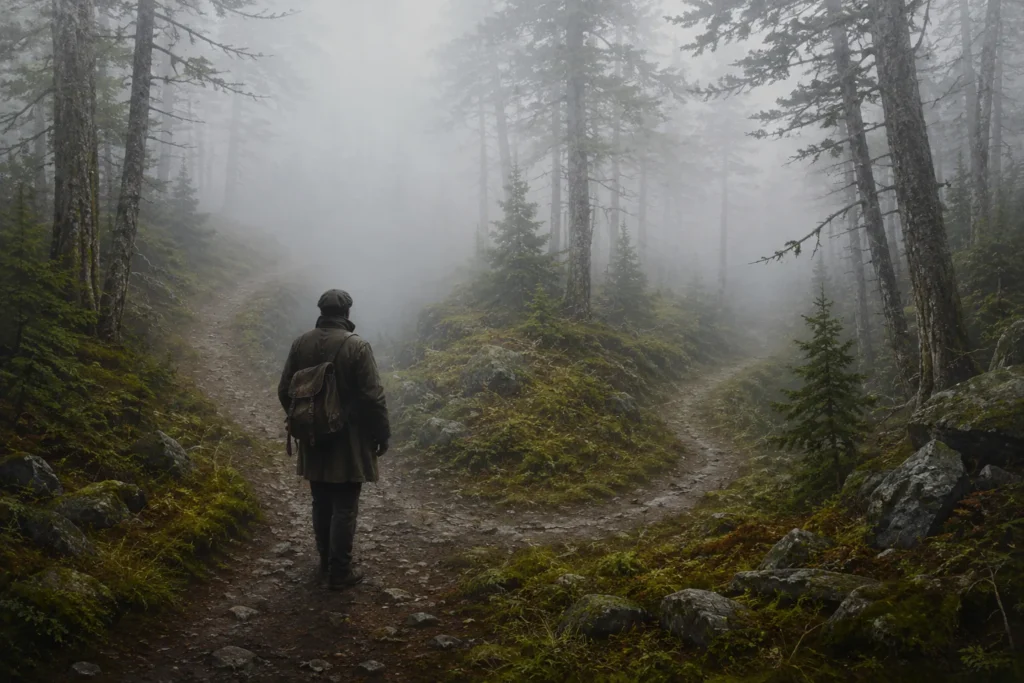
When someone became disoriented in a place they knew well, the experience could feel more mysterious than simply being lost. In Newfoundland tradition, the person might be described as “fairy-led”—confused, turned around, or unable to find a familiar road until the spell was broken.
Around kitchen tables and wood stoves, the stories grew with each telling. They became connected to particular paths, hills, clearings, and ponds known to local families. The fairies of Ireland had found new ground.
Powerful and Best Left Alone
Traditional Newfoundland fairies were not always described as evil. Their danger came from their unpredictability.
Some stories told of music heard in isolated places, strange lights moving across the landscape, or unseen gatherings taking place after dark. Others described travellers walking in circles, losing hours of time, or arriving home unable to explain where they had been.
There were also darker traditions. Fairies were sometimes blamed for sudden illness, unusual behaviour, or the disappearance of vulnerable people. Changelings appeared in stories in which a baby or child was believed to have been taken or altered by supernatural beings.
Modern scholars have sometimes interpreted changeling traditions as ways earlier communities attempted to explain childhood illness, disability, developmental differences, or distressing changes they could not understand. Such interpretations must remain cautious, however, because individual stories rarely reveal the circumstances behind them. The accounts belong to folklore and belief rather than verifiable historical occurrence, but they offer valuable insight into how people made sense of fear, illness, misfortune, and uncertainty.
Most families did not seek encounters with the fairies. The safest approach was respect, caution, and distance.
Bread, Inside-Out Clothing, and Old Warnings
Protective customs varied from community to community and even from one household to another.
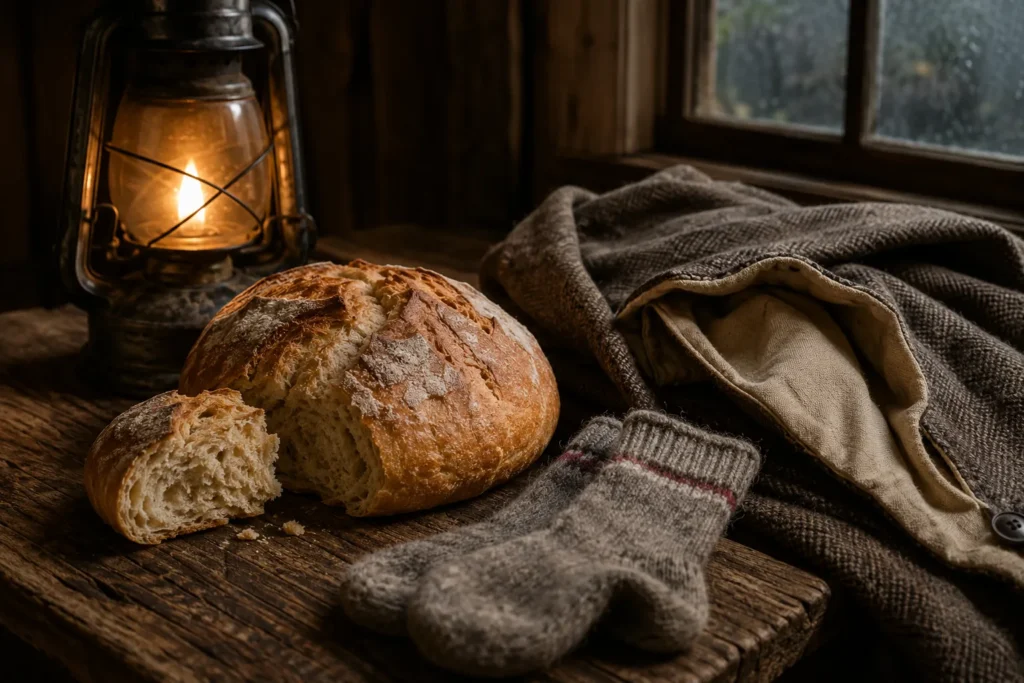
One of the best-known traditions involved carrying bread while travelling through lonely or unfamiliar places. Bread was associated with the safety of the home and was believed by some to offer protection from fairy interference.
A person who believed they had become fairy-led might turn their pockets or an article of clothing inside out. In some families, the warning was remembered specifically as turning one’s socks inside out. The action was believed to break the confusion and allow the traveller to recognize the way home.
Children were also warned not to linger around certain ponds, wander too far into the woods, or disturb places believed to belong to the fairies. Such warnings may have carried supernatural meaning, but they also discouraged children from entering dangerous or isolated places alone.
Whether every storyteller believed these practices literally is impossible to know. Belief was rarely all or nothing. Some people laughed while repeating the old advice, only to add that there was no harm in following it.
Why take the chance?
A Tradition Preserved in Memory
Fairy traditions survived in Newfoundland well into the twentieth century, not merely as distant legends but as stories connected to named relatives, neighbours, and familiar places.
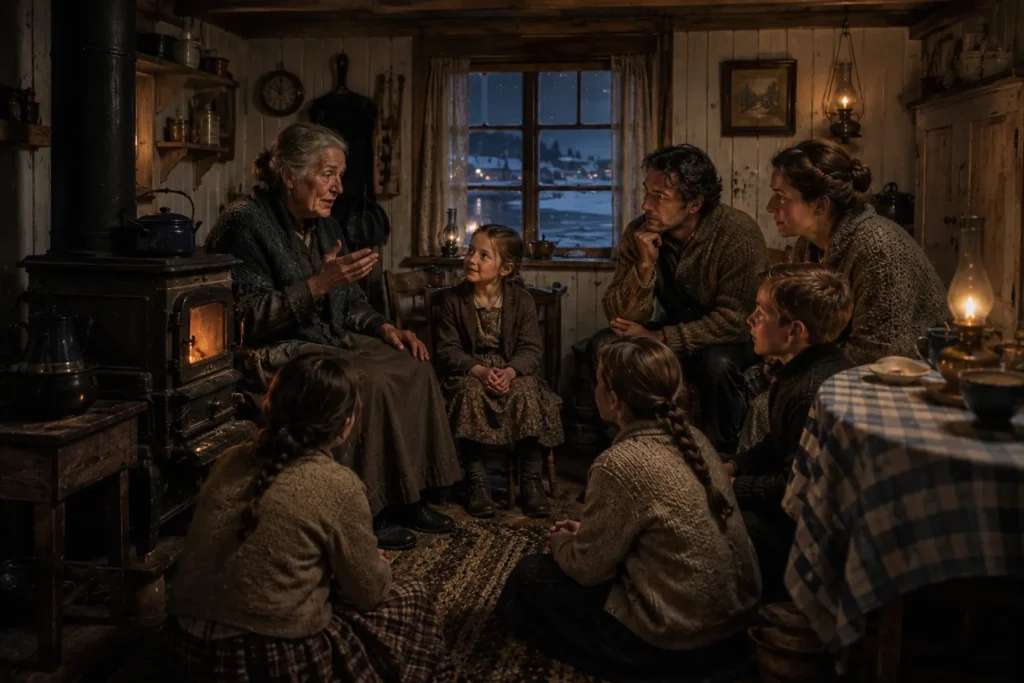
Accounts have been preserved from communities throughout the Avalon Peninsula and Conception Bay, including Harbour Grace, Bay Roberts, Brigus, Upper Island Cove, North River, and neighbouring settlements. Other stories remained attached to woods, ponds, meadows, beaches, and footpaths known mainly to the families who lived nearby.
Memorial University folklorists, students, and community researchers collected a substantial body of fairy legends, personal-experience narratives, and folk beliefs. Many are now housed in the Memorial University of Newfoundland and Labrador Folklore and Language Archive, commonly known as MUNFLA.
Folklorist Barbara Rieti brought many of these traditions to a wider audience through her landmark 1991 book, Strange Terrain: The Fairy World in Newfoundland. Drawing upon extensive archival research and field interviews, Rieti demonstrated that fairy belief was not simply a collection of old tales. It was a living tradition shaped by family memory, community life, humour, landscape, and personal experience.
A 30th-anniversary edition published in 2021 introduced the work to a new generation of readers.
Why It Matters Today
Fairy folklore offers more than an entertaining glimpse into Newfoundland’s supernatural past. It reveals how families carried traditions across an ocean, adapted them to a new landscape, and used storytelling to explain experiences that seemed frightening or impossible to understand.
The stories also remind us how cultural memory survives. A warning repeated by a grandparent, a path avoided after dark, or a piece of bread tucked into a pocket can preserve connections stretching back centuries.
Today, fairy encounters are more often discussed as folklore, family memory, or local legend than as everyday fact. Yet the stories remain part of Newfoundland and Labrador’s identity—a reminder that history is not preserved only in monuments and archives. Sometimes it survives in a voice beside the stove, describing what happened long ago on a lonely road through the fog.
Share Your Family’s Fairy Stories
Were you ever warned to carry bread, turn your socks or pockets inside out, or avoid a particular pond, path, or patch of woods?
Share your memories, family stories, photographs, and local knowledge in the comments. Tell us where the story came from, who first told it to you, and whether people in your community still remember the old warnings.
History lives through the stories we share.
If you enjoyed this story, be sure to read more fascinating Newfoundland and Labrador stories here on ShareNL.ca.