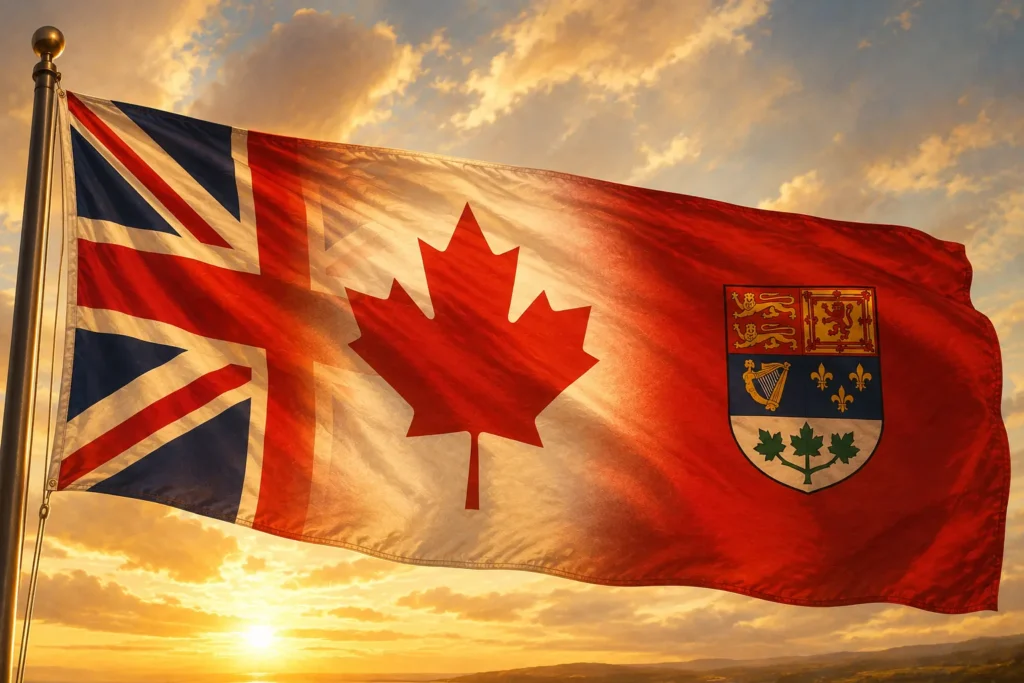
On July 1, 1949, Newfoundland celebrated Canada’s national holiday for the very first time—but it was also a day of remembrance, reflection, and the beginning of a new identity.
Three months had passed since Newfoundland officially became Canada’s tenth province.
The political debates had quieted, the referendum campaigns were over, and the Union Jack no longer flew alone over the colony that had governed itself for generations. Yet as July 1, 1949, dawned across Newfoundland and Labrador, many people awoke with mixed emotions. For the first time, they would observe Dominion Day—the holiday now known as Canada Day—not as neighbours of Canada, but as Canadians themselves.
It was a historic moment, but not a simple one.
For Newfoundlanders, July 1 had long carried another, far more solemn meaning. Since 1917, it had been observed as Memorial Day, commemorating the devastating losses suffered by the Royal Newfoundland Regiment at Beaumont-Hamel during the First World War. That tradition remained deeply rooted in communities across the island, and Confederation did not erase it. Instead, the province became the only place in Canada where July 1 would forever carry two identities: a morning of remembrance followed by an afternoon of national celebration.
The result was a day unlike any other in the country.
Across St. John’s, church bells rang as veterans, civic leaders, and families gathered at the National War Memorial. Wreaths were laid beneath the bronze figures honouring those who never returned from the battlefields of Europe. Forget-me-not flowers—Newfoundland’s traditional symbol of remembrance—appeared on lapels alongside newly familiar Canadian flags. Flags flew at half-mast during the morning ceremonies, and silence settled over the city as residents reflected on a sacrifice that had shaped the province’s identity for more than three decades.
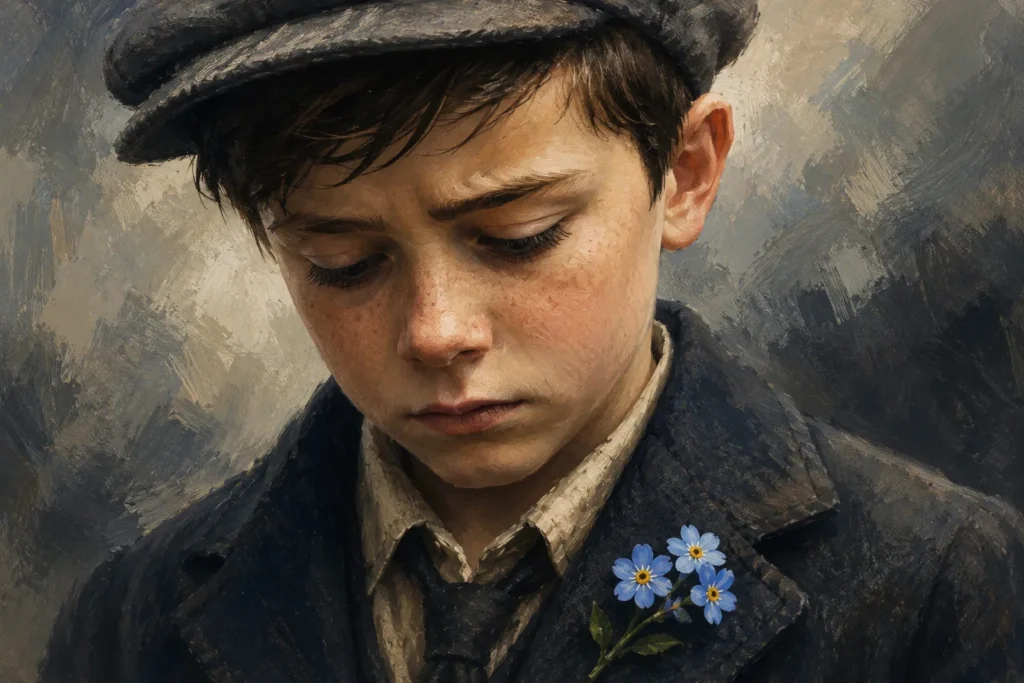
Only after those solemn ceremonies concluded did the mood begin to change.
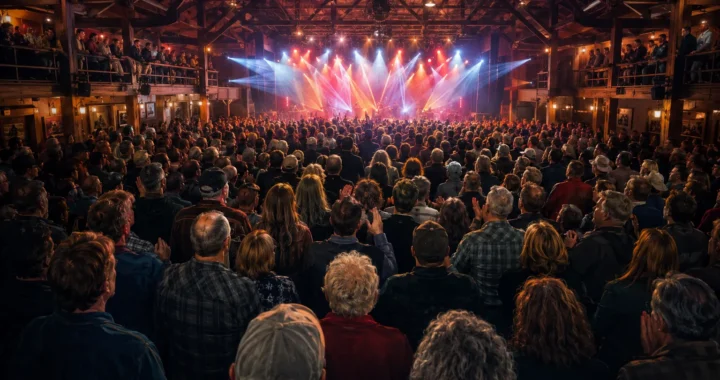
As the afternoon unfolded, communities embraced their first Dominion Day as part of Canada. Bands performed in public parks, children carried small Canadian flags, and local organizations hosted picnics, sporting events, concerts, and community gatherings. While the elaborate, federally coordinated Canada Day celebrations familiar today were still years away, there was nevertheless a growing sense that Newfoundland had entered a new chapter. For many families, it was their first opportunity to celebrate alongside the rest of the country.
Not everyone welcomed the change with equal enthusiasm.
Confederation had been approved by one of the closest referendum results in Newfoundland’s history, and many supporters of Responsible Government remained deeply disappointed. Historical accounts describe black ribbons, black armbands, and other quiet symbols of mourning appearing during the spring of 1949 following Confederation. Some continued to view Newfoundland as having lost an independent nation rather than gained a new future. For them, Dominion Day brought complicated emotions that no parade or concert could easily erase.
Others, however, saw reason for optimism.
Supporters of Confederation believed joining Canada would bring greater economic security, improved social programs, expanded infrastructure, and new opportunities for future generations. Family allowance cheques had already begun arriving in Newfoundland households, offering tangible evidence of the changes Confederation promised. Roads, schools, hospitals, and communications would gradually improve over the following decades, reshaping daily life in ways few could yet imagine.
Perhaps nowhere was the transition more visible than in the province’s symbols.
Only months earlier, Newfoundland had been governed separately under the Commission of Government. Now, Canadian institutions were becoming part of everyday life. Federal departments established offices across the province, Canadian postage stamps replaced Newfoundland’s own issues, and Canadian citizenship became part of the identity of nearly every resident. Yet throughout these changes, Newfoundlanders retained traditions that remained uniquely their own.
That balance between old and new became the defining feature of July 1.
Rather than replacing Memorial Day, Dominion Day learned to coexist with it. The morning remained dedicated to remembering the extraordinary courage displayed at Beaumont-Hamel in 1916. The afternoon became an opportunity to celebrate membership in a larger federation. It was an arrangement born not from politics, but from respect for history and the sacrifices that had shaped Newfoundland long before Confederation.
More than seventy-five years later, that tradition continues.
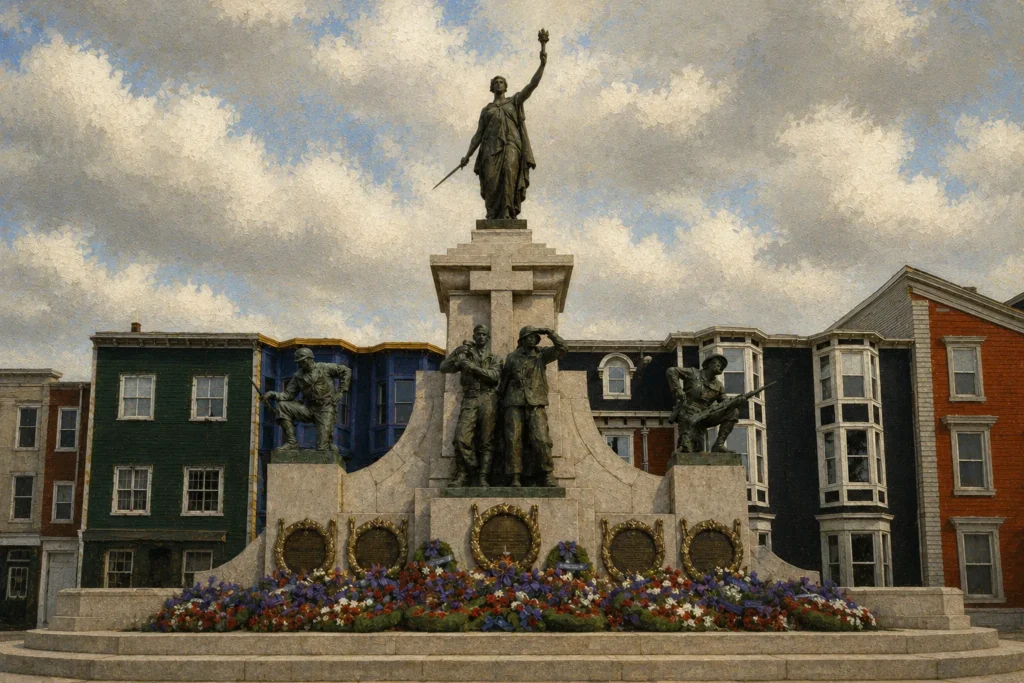
Visitors attending July 1 ceremonies in Newfoundland and Labrador often notice something different from celebrations elsewhere in Canada. The day begins quietly with remembrance services, wreath-laying ceremonies, and moments of silence before transitioning into music, fireworks, festivals, and family celebrations later in the day. It serves as a reminder that Newfoundland and Labrador entered Confederation without leaving its past behind.
History rarely turns on a single day.
Yet July 1, 1949, stands as one of those rare moments when two powerful stories met. One honoured the young men who made the ultimate sacrifice at Beaumont-Hamel. The other marked the beginning of Newfoundland’s place within Canada. Together, they created a tradition found nowhere else in the country—a day that asks people first to remember, and then to celebrate.
That unique blend of remembrance and renewal remains one of Newfoundland and Labrador’s most enduring legacies. It reflects a province that honours where it came from while embracing where it is going—a lesson as meaningful today as it was on that unforgettable first Dominion Day in 1949.
Have memories of early Dominion Day or Canada Day celebrations? Perhaps your family has photographs, newspaper clippings, or stories passed down from parents or grandparents who experienced that first summer after Confederation. We’d love to hear them in the comments below and help preserve these memories for future generations.
If you enjoyed this story, be sure to read more fascinating Newfoundland and Labrador stories here on ShareNL.ca.